




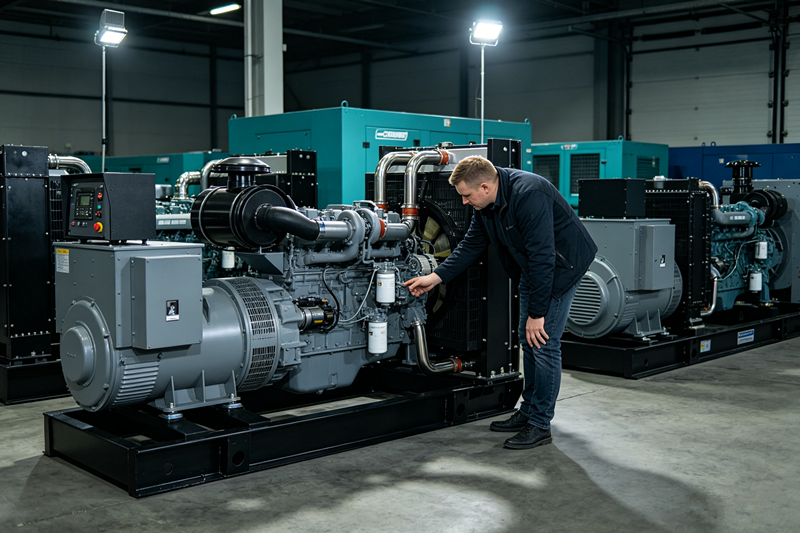
Daily Maintenance Tips for Diesel Generator Sets: Extend Lifespan and Ensure Reliable Performance
For businesses across the globe—from construction sites in the Middle East to data centers in Europe, and mining operations in Africa—diesel generator sets are the backbone of uninterrupted power supply. These workhorses operate in harsh environments, endure continuous use, and often serve as the last line of defense against costly downtime. However, many overseas users overlook a critical truth: proper daily maintenance is not just a “routine task”—it’s an investment that extends the generator’s lifespan, reduces repair costs, and ensures it performs reliably when you need it most.
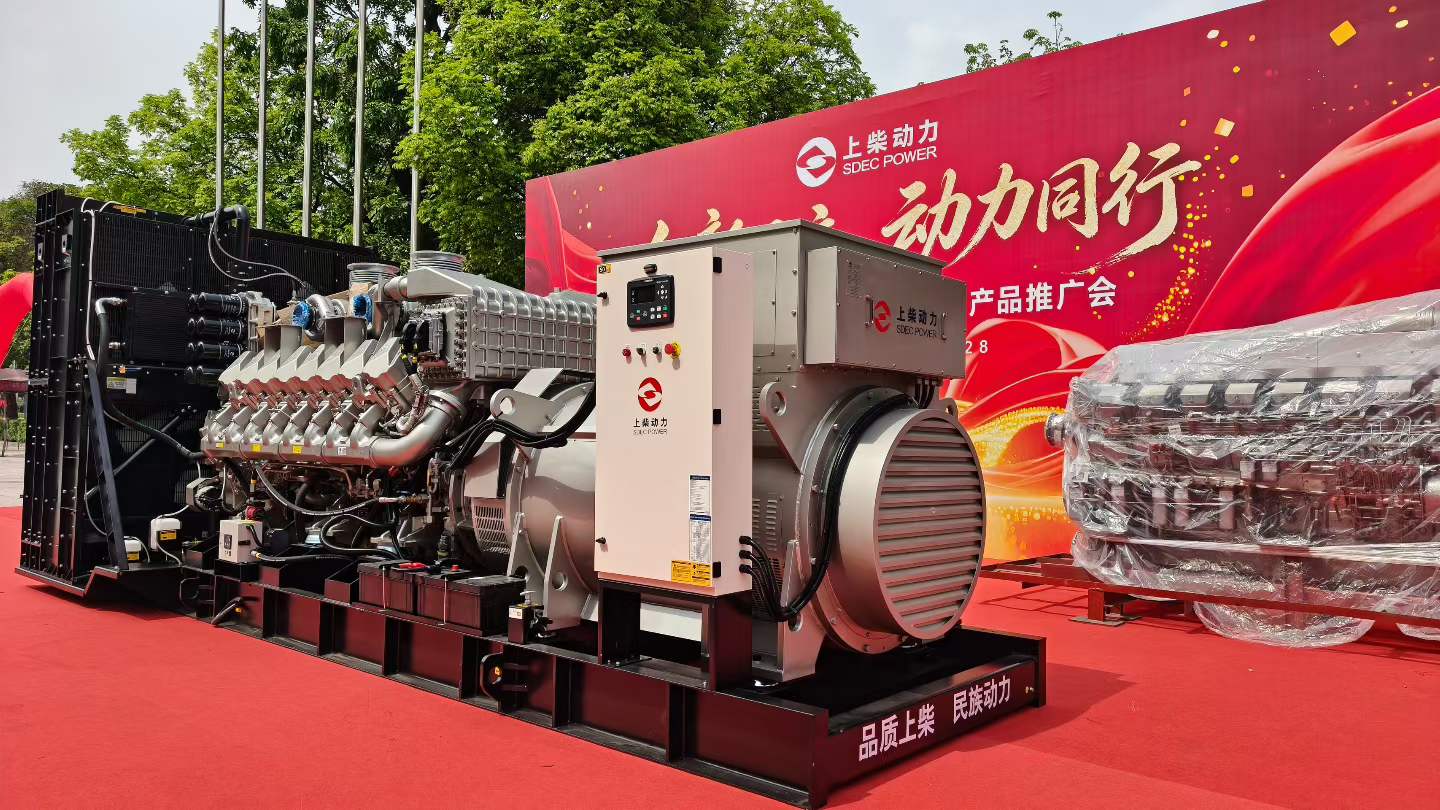
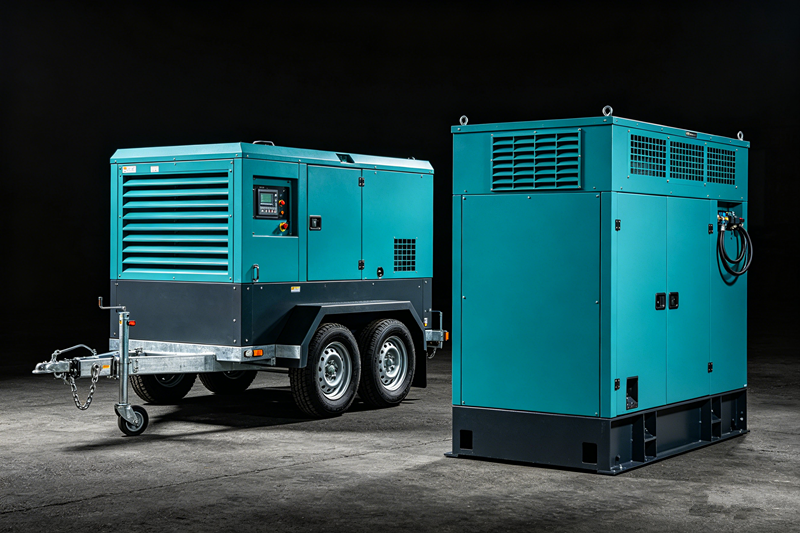
A well-maintained diesel generator set can operate efficiently for 10,000+ hours, while neglecting maintenance can lead to premature failure, expensive repairs, and even safety hazards. Whether you own a 20KW mobile trailer generator or a 2000KW fixed industrial unit—powered by Cummins, Perkins, Weichai, Yuchai, or Shangchai—following a structured daily maintenance routine is essential. This comprehensive guide breaks down practical, easy-to-follow maintenance tips, organized by frequency and component, to help you keep your diesel generator set in peak condition, no matter where your business operates.
The Importance of Daily Maintenance: Why It Can’t Be Ignored
Before diving into the specific tips, it’s crucial to understand why daily maintenance matters for your diesel generator set. Unlike other industrial equipment, generators are often idle for long periods (especially standby units) and then called upon to deliver full power instantly—this “on-demand” cycle puts unique stress on their components. Without regular care, even high-quality generators can suffer from:
• Wear and tear on engine parts due to inadequate lubrication
• Clogged filters that reduce efficiency and damage the engine
• Battery failure that prevents startup during emergencies
• Cooling system issues that lead to overheating and engine damage
• Fuel degradation that causes injector clogs and poor performance
The cost of neglect is far higher than the time and effort spent on maintenance. A single unexpected breakdown can cost thousands in repairs, not to mention the lost revenue from downtime—especially for critical applications like hospitals, data centers, or manufacturing plants. By following a consistent maintenance routine, you can avoid these issues, extend your generator’s service life by 30-50%, and ensure it remains reliable in even the most demanding conditions.
Daily Maintenance Checklist (Before, During, and After Operation)
Daily maintenance refers to the checks and tasks that should be performed every day before starting the generator, during operation, and after shutting it down. These simple steps take 10-15 minutes but can prevent major failures and keep your generator running smoothly.
1. Pre-Operation Checks (Before Starting the Generator)
These checks ensure the generator is safe to start and free from obvious issues that could cause damage during operation. Always follow safety protocols first: wear protective gear (gloves, goggles), ensure the work area is well-ventilated, and disconnect the generator from the main power supply to prevent accidental startup.
• Visual Inspection: Conduct a thorough visual check of the entire unit. Look for signs of leaks (oil, fuel, coolant), loose or damaged wires, and any debris (dust, dirt, leaves) that could block vents or filters. Pay special attention to the engine, alternator, and fuel tank—even small leaks can lead to major issues over time. For mobile trailer generators, also check the trailer’s tires, brakes, and hydraulic jacks to ensure mobility and safety.
• Oil Level Check: Locate the oil dipstick, pull it out, wipe it clean, reinsert it fully, and pull it out again to check the oil level. The oil should be between the “min” and “max” marks on the dipstick. If the level is low, add the recommended type of oil (check the manufacturer’s manual—most diesel generators use 15W-40 or 20W-50 oil, depending on the climate). Never overfill the oil, as this can cause foaming and damage the engine.
• Coolant Level Check: Check the coolant reservoir (usually a translucent plastic tank) to ensure the coolant level is between the “low” and “full” marks. If the level is low, add a mixture of distilled water and antifreeze (follow the manufacturer’s ratio—typically 50/50 for most climates). Avoid adding coolant when the engine is hot, as this can cause burns; wait until the engine cools to 60℃ or below before refilling.
• Fuel Level Check: Ensure the fuel tank is at least ¾ full to prevent air from entering the fuel system, which can cause the generator to stall. Check the fuel gauge or open the fuel tank cap (if equipped with a sight glass) to verify the level. If fuel is low, add clean, high-quality diesel fuel—avoid using old or contaminated fuel, as it can clog injectors and damage the engine.
• Battery Check: Inspect the battery terminals for corrosion (white or greenish buildup) and ensure they are tight. If corrosion is present, clean the terminals with a wire brush and a mixture of baking soda and water. Check the battery’s voltage (most generator batteries are 12V or 24V)—a healthy battery should read between 12.6V (for 12V) and 25.2V (for 24V) when not in use. If the voltage is low, charge the battery immediately to prevent startup failure.
• Air Filter Check: Remove the air filter cover and inspect the filter for dust, dirt, or debris. A dirty air filter restricts airflow to the engine, reducing efficiency and increasing fuel consumption. If the filter is slightly dirty, tap it gently to remove loose debris; if it’s heavily soiled, replace it with a new one (follow the manufacturer’s recommendations for replacement intervals).
2. During-Operation Monitoring (While the Generator Is Running)
While the generator is in operation, monitor its performance to catch any issues early. This is especially important for prime power generators that run continuously, but even standby units should be monitored during test runs.
• Check for Unusual Noises or Vibrations: A well-running diesel generator should produce a steady, consistent noise. Listen for unusual sounds like knocking, squealing, or rattling, which could indicate loose parts, worn bearings, or engine issues. Excessive vibration may also signal misalignment or damaged components—shut down the generator immediately if you notice these signs.
• Monitor Temperature and Pressure Gauges: Keep an eye on the engine temperature and oil pressure gauges. The normal engine temperature should be between 80℃ and 95℃; if it exceeds 100℃, the generator is overheating. The oil pressure should be between 20 and 40 psi (pounds per square inch)—low oil pressure can indicate a leak or insufficient oil, while high pressure may signal a clogged oil filter.
• Check for Leaks: While the generator is running, check for leaks around the engine, fuel tank, and coolant system. Even small drips can escalate into major issues, so address any leaks immediately. If you notice fuel leaks, shut down the generator and eliminate all sources of ignition to prevent fires.
• Verify Power Output: For generators used to power equipment, check the voltage and frequency gauges to ensure they are within the recommended range (typically 220-240V for single-phase, 380-415V for three-phase, and 50-60Hz). Fluctuations in power output can damage sensitive equipment like computers, medical devices, or manufacturing machinery.
3. Post-Operation Checks (After Shutting Down the Generator)
After turning off the generator, perform these tasks to prepare it for the next use and prevent damage during idle periods. Always allow the generator to idle for 5-10 minutes before shutting it down—this allows the engine to cool gradually and prevents sudden temperature changes that can damage components.
• Clean the Unit: Use a brush or compressed air to remove dust, dirt, and debris from the generator’s exterior, vents, and filters. This prevents clogs and ensures proper airflow for cooling. For mobile units, also clean the trailer and check for any damage from transportation.
• Check Fluid Levels Again: Recheck the oil, coolant, and fuel levels after the engine has cooled. Topping up fluids now ensures the generator is ready for the next use and prevents low levels from causing damage during startup.
• Inspect the Exhaust System: Check the exhaust pipe and muffler for damage, corrosion, or leaks. A damaged exhaust system can reduce efficiency and release harmful fumes, which is a safety hazard—especially in enclosed spaces. If you notice any issues, repair or replace the exhaust components immediately.
• Store the Generator Properly: If the generator will be idle for more than a week, take additional steps to protect it. For standby units, ensure the fuel tank is full (to prevent condensation) and add a fuel stabilizer to prevent fuel degradation. For mobile units, park them in a dry, covered area to protect against the elements (rain, snow, dust).
• Record Maintenance Activities: Keep a detailed log of all maintenance tasks, including the date, time, and any issues found. This log helps you track the generator’s performance over time, identify patterns, and ensure you follow the manufacturer’s maintenance schedule. It also serves as a record for warranty claims and can help reduce resale value if you decide to replace the unit later.
Weekly and Monthly Maintenance: Beyond Daily Checks
In addition to daily maintenance, your diesel generator set requires weekly and monthly checks to address components that don’t need daily attention but are critical to long-term performance. These tasks are slightly more involved but still manageable with basic tools and knowledge.
Weekly Maintenance Tasks
• Test the Generator: If the generator is a standby unit (not used regularly), start it and let it run for 30 minutes at no load. This keeps the engine lubricated, prevents fuel from stagnating, and ensures the generator is ready to start during an emergency. For prime power generators, skip this step if they are running continuously.
• Clean the Fuel Filter: Remove the fuel filter and clean it to remove any sediment or debris that has accumulated. A clogged fuel filter can restrict fuel flow, reduce efficiency, and damage the engine. If the filter is heavily soiled or damaged, replace it with a new one.
• Inspect the Drive Belt: Check the drive belt (which powers the alternator and other components) for cracks, fraying, or slack. A loose or damaged belt can cause the alternator to fail, leading to no power output. Adjust the belt tension if needed, or replace it if it’s damaged.
• Check the Cooling System: Inspect the radiator for dirt, debris, or clogs. Use a hose to spray the radiator from the front (toward the fan) to remove any buildup—spraying from the back can push debris into the radiator core. If the radiator is heavily clogged, remove it and soak it in a cleaning solution to remove顽固沉积物.
Monthly Maintenance Tasks
• Change the Engine Oil and Oil Filter: The engine oil lubricates the engine’s moving parts, so it’s critical to change it regularly. Most diesel generators require an oil change every 100-200 hours of operation (check the manufacturer’s manual for specific intervals). When changing the oil, also replace the oil filter to ensure clean oil circulates through the engine. Dispose of used oil properly (follow local environmental regulations).
• Replace the Air Filter: Even if the air filter was cleaned during daily checks, it should be replaced every month (or more frequently if the generator is used in dusty environments like construction sites or mining operations). A new air filter ensures proper airflow and prevents dust from entering the engine, which can cause wear and tear.
• Test the Automatic Transfer Switch (ATS): If your generator is equipped with an ATS (common in standby units), test it to ensure it switches seamlessly between grid power and generator power. Simulate a power outage by turning off the main power supply— the ATS should detect the outage and start the generator automatically. If the ATS fails to function properly, contact a professional technician to repair it.
• Inspect the Battery: Perform a load test on the battery to ensure it can hold a charge. A weak battery may not start the generator during an emergency, so replace it if it fails the load test. Also, check the battery’s water level (if it’s a lead-acid battery) and add distilled water if needed—never add tap water, as it contains minerals that can damage the battery.
• Check the Fuel Quality: If the generator has been idle for a month or more, check the fuel for signs of degradation (cloudiness, sediment, or a foul odor). If the fuel is degraded, drain the tank and replace it with fresh diesel. Add a fuel stabilizer to prevent future degradation if the generator will be idle for extended periods.
Seasonal Maintenance: Adapting to Extreme Conditions
Diesel generators face unique challenges in extreme weather conditions, so seasonal maintenance is essential to ensure they perform reliably year-round. Whether you’re operating in hot deserts, cold polar regions, or humid coastal areas, these tips will help you adapt your maintenance routine.
Summer Maintenance (Hot Weather)
• Check the Cooling System: Hot weather increases the risk of overheating, so inspect the radiator, coolant level, and fan regularly. Clean the radiator to ensure proper airflow, and consider adding a coolant additive to improve heat transfer.
• Protect the Generator from Sunlight: Park mobile units in a shaded area to reduce heat buildup. For fixed units, ensure the engine room is well-ventilated to prevent overheating.
• Check Fuel Quality: High temperatures can cause fuel to degrade faster, so check the fuel more frequently and add a fuel stabilizer if needed. Also, ensure the fuel tank is not exposed to direct sunlight, as this can increase fuel temperature and accelerate degradation.
Winter Maintenance (Cold Weather)
• Use Winter-Grade Fuel: Switch to winter-grade diesel fuel (with a lower cloud point) to prevent fuel from gelling in cold temperatures. Add a fuel anti-gel additive to further protect the fuel system.
• Check the Battery: Cold weather reduces battery performance, so test the battery regularly and keep it charged. Consider using a battery heater to prevent the battery from freezing.
• Inspect the Cooling System: Replace the coolant with a winter-grade mixture (with a lower freezing point) to prevent the coolant from freezing and damaging the engine. Check for leaks, as cold temperatures can cause hoses to crack.
• Warm Up the Engine: Before applying load, let the generator idle for 10-15 minutes to warm up the engine and lubricate the moving parts. This prevents damage from cold, thick oil.
Coastal/Humid Maintenance
• Prevent Corrosion: Humid and salty air can cause corrosion, so clean the generator regularly and apply a corrosion-resistant coating to metal components. For fixed units, ensure the engine room is well-ventilated to reduce humidity.
• Protect Electrical Components: Cover electrical connections with waterproof tape or caps to prevent moisture from causing short circuits. Inspect the control panel regularly for signs of moisture or corrosion.
Common Maintenance Mistakes to Avoid
Even with the best intentions, many users make mistakes that undermine their maintenance efforts. Avoid these common pitfalls to ensure your diesel generator set remains reliable:
• Neglecting Idle Periods: Standby generators that are not used regularly are prone to fuel degradation, battery failure, and component rust. Always run the generator for 30 minutes weekly to keep it in good condition.
• Using Low-Quality Fuel or Oil: Cutting corners on fuel or oil quality can cause injector clogs, engine wear, and premature failure. Always use high-quality diesel fuel and the recommended grade of oil.
• Overlooking Safety Protocols: Maintenance should only be performed by trained personnel wearing protective gear. Never work on a running generator, and always disconnect the power supply before performing checks or repairs. Avoid working in enclosed spaces without proper ventilation, as diesel fumes are harmful.
• Ignoring Small Issues: A small leak, unusual noise, or low fluid level may seem insignificant, but it can escalate into a major failure. Address all issues immediately to avoid costly repairs.
• Not Following the Manufacturer’s Recommendations: Every generator is different, so always refer to the manufacturer’s manual for maintenance intervals and procedures. What works for one model may not work for another—especially for high-end brands like Cummins or Perkins.
• Skipping Load Bank Testing: For standby generators, annual load bank testing is essential to verify the generator’s performance under real-world conditions. This test ensures the generator can handle its rated load and identifies any issues before an emergency.
When to Call a Professional Technician
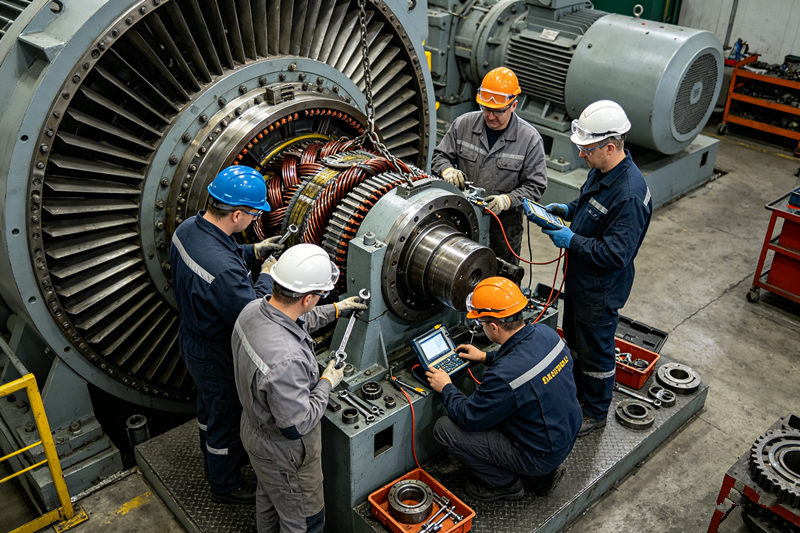
While most daily, weekly, and monthly maintenance tasks can be performed by in-house staff, some issues require professional expertise. Call a qualified technician if you notice any of the following:
• The generator fails to start or stalls during operation
• Excessive smoke (black, white, or blue) from the exhaust
• Unusual knocking or grinding noises that persist after checking for loose parts
• Fluctuations in power output or voltage
• Major leaks (fuel, oil, or coolant) that cannot be fixed with simple repairs
• Battery failure despite regular charging
• ATS malfunctions that prevent seamless power切换
Reputable generator manufacturers (including Guangxi Xinchai) offer global maintenance services and spare parts support, ensuring you can get professional help no matter where your business is located. We also provide training for in-house staff to perform basic maintenance tasks, helping you reduce costs and ensure your generator is always in peak condition.
Conclusion: Maintenance Is the Key to Reliability
A diesel generator set is a significant investment, and proper daily maintenance is the best way to protect that investment. By following the tips outlined in this guide—from daily pre-operation checks to seasonal maintenance and avoiding common mistakes—you can extend your generator’s lifespan, reduce repair costs, and ensure it performs reliably when you need it most. Whether you’re operating a mobile trailer generator for construction sites or a fixed industrial generator for a data center, a consistent maintenance routine is essential for uninterrupted power supply.
Remember, maintenance is not a one-time task—it’s an ongoing commitment. By integrating these tips into your daily operations, you can avoid costly downtime, protect your equipment, and keep your business running smoothly, no matter what challenges the global industrial landscape throws your way. If you need help creating a customized maintenance plan for your specific generator model (8KW-2000KW, powered by Cummins, Perkins, Weichai, Yuchai, or Shangchai), contact our team of experts today for a free consultation.
Related Posts